


Understanding Your Feelings: Emotional Support When Asking ‘Should I Keep My Baby?’

Finding yourself unexpectedly pregnant can bring a flood of thoughts and emotions. Many women pause at this moment, unsure how to move forward or what choice feels right for them. When questions begin to surface, it is common to feel overwhelmed, conflicted or emotionally unsettled, which is why access to emotional support for unplanned pregnancy can be so important during this time.
If you are experiencing uncertainty, know that mixed emotions are normal and valid. This article focuses on emotional care, understanding what you are feeling and seeking guidance during an unplanned pregnancy.
Understanding Your Emotions
An unplanned pregnancy often brings a wide range of emotions. These feelings can shift quickly, especially when you are unsure about what lies ahead.

Many women struggle with coping with unplanned pregnancy emotions, particularly when practical concerns meet emotional attachment. It is possible to feel pulled in different directions at the same time. This emotional ambivalence does not mean you are indecisive or unprepared. It simply reflects how complex this moment can be.
You may recognise some of these situational feelings:
Feeling afraid when thinking about finances, work, studies or whether you are ready for this responsibility
Feeling guilty for not reacting the way you think you “should,” or for worrying about how others might view your situation
Feeling confused because your emotions change from day to day or even hour to hour
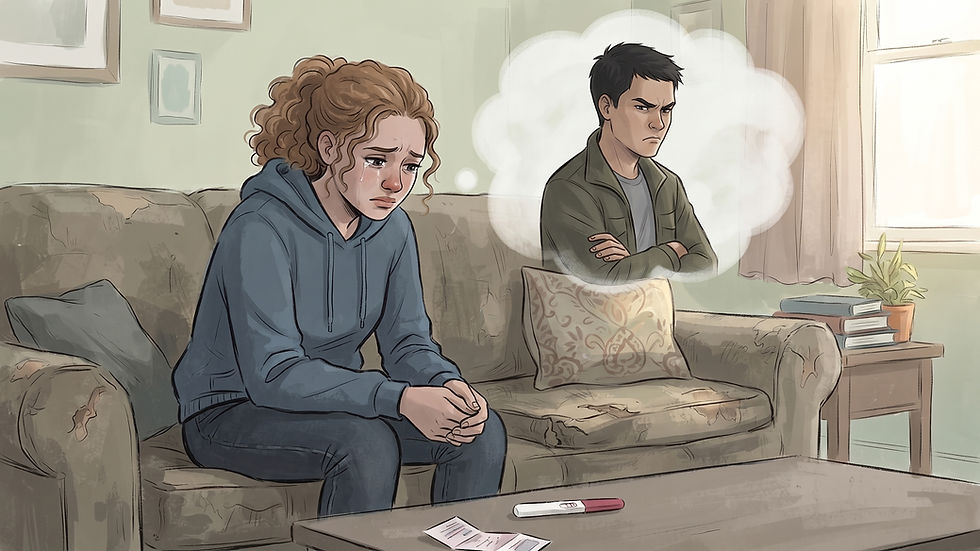
Feeling anxious about telling your partner or family, and how they might respond
Feeling relieved that you finally have clarity about the physical symptoms you were experiencing
Feeling attached despite practical concerns, which can be surprising or conflicting
Feeling numb or calm at times, especially if everything feels overwhelming all at once
Social expectations, cultural beliefs and family opinions may also influence how you feel. Recognising the difference between external pressure and your own emotional needs can help you better understand what support might be helpful right now.

The Role of Counselling
Professional counselling provides a confidential and non-judgemental space to explore your thoughts and emotions openly. Seeking counselling for pregnancy decision support does not require you to have clarity or a final answer. It simply offers time and guidance to process what you are experiencing.
A counsellor can help you reflect on your values, understand your emotional responses and talk through your concerns at a pace that feels safe. Many women find that counselling brings relief by reducing emotional overload and helping them feel less alone.
Support is available through community-based organisations and Singapore pregnancy support services, including the SUPeRF programme by aLife. This service focuses on listening, emotional care and respectful guidance.

SUPeRF Programme: Support for Unplanned Pregnancies
The Support for Unplanned Pregnancies – Resource Facilitation (SUPeRF) Programme offers a safe place to talk and be heard. Through SUPeRF, trained Resource Facilitators listen carefully to your concerns and help you understand the information and resources available to you.
These facilitators are experienced para-counsellors who support women referred through aLife’s hotline and public healthcare settings. Their role is not to tell you what to do, but to help you make informed choices that you feel comfortable with.
SUPeRF support may include emotional care, information about pregnancy and connections to practical resources if needed. Sessions can be conducted over the phone, online or in person, depending on what feels most comfortable for you.
Seeking Support from Loved Ones
You may consider sharing your thoughts with someone you trust, such as a partner, family member or close friend. Speaking openly can feel challenging, especially if you are worried about judgment or pressure.
Choosing people who can offer emotional support for an unplanned pregnancy is important. Letting them know whether you need advice or simply a listening ear can help shape supportive conversations. While others may share their views, remember that your feelings and comfort matter most.
Supportive relationships can ease feelings of isolation and remind you that you do not have to navigate this experience on your own.
Tools to Understand Your Decision
Gentle reflection tools can help you process emotions more clearly. Writing in a journal allows you to explore thoughts privately and at your own pace. Reflecting on what feels most important to you now may bring insight and calm.
Some women find it helpful to list emotional and practical considerations when deciding how to move forward with the pregnancy, not to rush a decision but to better understand their priorities. These tools are meant to support clarity, not pressure outcomes.
You may also choose to explore online resources or speak with a support organisation like aLife, which provides guidance grounded in care, respect and confidentiality.
A Safe Space for Support and Guidance
There is no single correct way to feel during an unplanned pregnancy. Whether you feel unsure, fearful or quietly reflective, your emotions are valid. Permitting yourself to take time can reduce pressure and support emotional well-being.
Support can continue beyond decision-making. Ongoing emotional care can help you process your experience, regardless of the path you choose. Being kind to yourself and seeking help when needed are important steps toward healing and stability.
Reaching out for help is a sign of strength and self-care. Understanding your emotions and accessing support can make this period feel less overwhelming and more manageable.
If you would like guidance, aLife offers confidential counselling and emotional support designed to help you feel heard and supported throughout this journey.


Comments