


What Happens When a Medical Abortion Fails?

About fifty years ago, a pharmaceutical company developed misoprostol to treat gastric ulcers. Later, women's health advocates in Brazil noticed its potential for medical abortion due to its warning label mentioning a risk of miscarriage. Today, two medication regimens are widely used:
Misoprostol alone
Mifepristone followed by misoprostol (the combined regimen), now the recommended approach in many countries.
How Do These Medications Work?
Mifepristone blocks progesterone, a hormone essential for maintaining early pregnancy. Without progesterone, the uterus can't support the developing baby.
Misoprostol causes the uterus to contract and expel the baby.
Effectiveness
Combined regimen (mifepristone + misoprostol): 95-98% effective in ending first-trimester pregnancies.
Misoprostol alone: 85-90% effective, with slightly higher risks of incomplete or ongoing pregnancies.
What If the Pregnancy Continues?
If the medications fail and a woman chooses to continue the pregnancy, research offers reassurance:
Mifepristone: Not linked to birth defects; babies are usually healthy.
Misoprostol: Most babies exposed during a failed medical abortion are born healthy. A small number of cases have linked misoprostol to rare conditions like limb differences or Moebius sequence (affecting facial muscles), with an extremely low risk (1 in 50,000 to 1 in 500,000 births).
How to Know If the Medications Have Failed
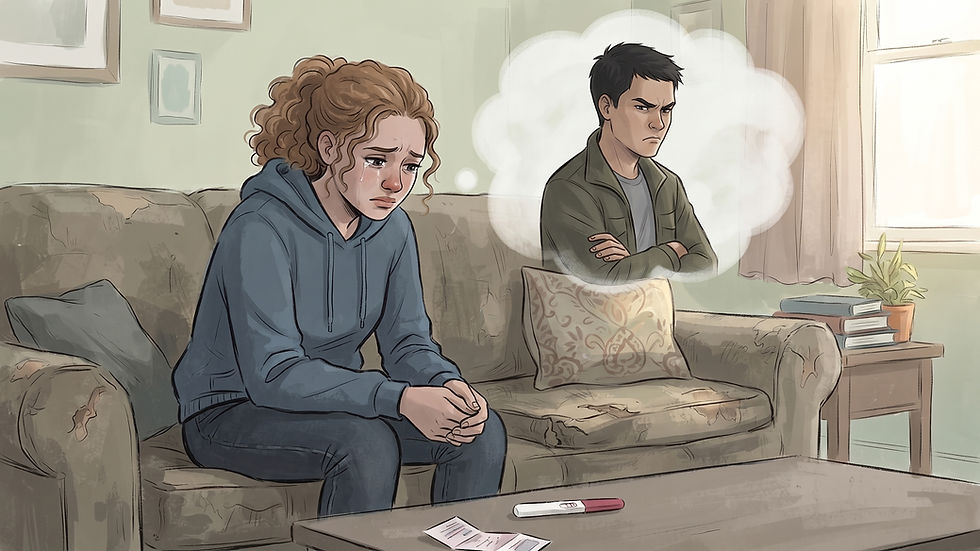
Take a pregnancy test 2-3 weeks after treatment. If positive or pregnancy symptoms persist, seek medical advice.
An ultrasound scan can confirm whether the pregnancy has ended, is ongoing, or incomplete.
In Summary
While a small number of pregnancies may continue after a failed medical abortion, most babies born after exposure are healthy. Misoprostol carries a very small risk of specific anomalies. Women who choose to continue the pregnancy should receive:
Early ultrasound scans
Detailed fetal assessment later in pregnancy
Supportive antenatal care and counselling


Comments