


Baby Immunisation in Singapore: What Parents Need to Know
Immunisation plays a vital role in protecting your child from serious and potentially life-threatening diseases. In Singapore, the National Childhood Immunisation Schedule (NCIS) provides a structured and evidenced-based guide to help you safeguard your child's health from birth through early childhood.

How Do Vaccines Work?
Vaccines helps your child build protection against harmful diseases without making them sick. They do this by introducing a safe part of the germ, something the body recognises as foreign. So, the immune system learns to defend itself. In vaccines, this "safe part" can be:
A weakened or inactivated germ that can't cause serious illness.
Small pieces of the germ's outer structure or its genetic material.
A made-safe version of a toxin the germ produces.
This allows your baby's immune system to create antibodies and memory, so if the real disease ever appears later, the body is ready to fight it off.
Why Is Immunisation Important?
Babies are born with developing immune systems and are more vulnerable to infections. Some childhood diseases can lead to severe complications such as pneumonia, brain inflammation, permanent disability, or even death.
Vaccination:
Protects your child from serious illnesses.
Reduce the spread of infectious diseases in the community.
Helps safeguard the vulnerable in our society, including newborns and pregnant women.
In Singapore, vaccination against measles and diphtheria is compulsory by law under the Infectious Disease Act.
When Might Vaccination Be Deferred or Not Suitable?
Most babies can be safely vaccinated. However, vaccinations may be postponed or reviewed by a doctor if your baby:
Has a high fever or is acutely unwell.
Has had a severe allergic reaction to a previous vaccine dose.
Has a medical condition, or has undergone medical treatment, affecting the immune system.
You should always consult your baby's paediatrician, who can assess your baby's condition and advise on the safest approach.
Baby Immunisation Schedule & What Each Vaccine Is For:

(Source: HealthHub)
At Birth:
BCG - Protects against tuberculosis (TB), a serious lung infection.
Hepatitis B (1st dose) - Protects against hepatitis B, a liver infection that can cause chronic liver disease.
At 2 months:
Hepatitis B (2nd dose)
DTaP (1st dose) - Diphtheria, Tetanus, Pertussis
Diphtheria - Protects against respiratory illness that can cause breathing problems.
Tetanus - Protects against infection that causes severe muscle stiffness and spasms.
Pertussis (Whooping cough) - Protects against severe coughing fits, that are highly contagious and dangerous for infants.
IPV (1st dose) - Inactivated Polio Vaccine
Protects against poliomyelitis, a viral disease that can cause paralysis.
Hib (1st dose) - Haemophilus influenzae type b
Protects against bacterial infections that can cause meningitis and pneumonia in young children.
At 4 months:
These doses strengthen and extend protection.
DTaP (2nd dose)
IPV (2nd dose)
Hib (2nd dose)
PCV (1st dose) - Pneumococcal vaccine
Protects against pneumococcal disease - infections such as pneumonia, meningitis, sepsis.
At 6 months:
Hepatitis B (3rd dose)
DTaP (3rd dose)
IPV (3rd dose)
Hib (3rd dose)
PCV (2nd dose)
Influenza (Flu) Vaccine - Can be given annually from around 6 months of age to protect against seasonal flu.
At 12 months:
PCV (booster dose) - Booster doses are given after the primary series of vaccine is already completed, to remind the immune system and raise immunity again.
MMR (1st dose) - Measles, Mumps, Rubella
Measles - Protects against a highly contagious respiratory viral infection.
Mumps - Protects against a viral infection causing swollen glands.
Rubella - Protects against a highly infectious viral infection. If a pregnant woman is infected, it can cause serious defects to her unborn child.
Varicella (1st dose) - Protects against chickenpox, a blistering viral disease.
At 15 months:
MMR (2nd dose)
Varicella (2nd dose)
How Can You Pay for Your Child's Vaccine?
Many vaccines under the National Childhood Immunisation Schedule (NCIS) are fully subsidised for eligible Singaporean children when given at polyclinics and participating GP clinics.
You may also use:
Medisave - for selected childhood vaccinations.
CHAS subsidies (if eligible)
Eligible Permanent Residents (PRs) can receive subsidies for vaccinations recommended under NCIS at polyclinics. You may wish to contact your preferred polyclinic directly to find out the charges.
Your child's paediatrician can advise you regarding the available subsidies and payment options.
What to Expect After Vaccination?
Most babies experience mild side effects such as:
Slight redness or swelling at the injection site.
Low-grade fever or fussiness.
These usually resolve within a few days and are signs that your baby's immune system is responding.
Serious side effects and allergy to the vaccinations are rare.
Choosing to vaccinate your child is an act of protection and care. If you feel unsure, overwhelmed, or have questions, speak with your child's paediatrician or your trusted healthcare provider. Support and guidance are always available.
For more information regarding your child's immunisation, including full vaccine schedule, benefits, safety, and what to expect during vaccinations, please visit:
Sources: Communicable Disease Agency Singapore, HealthHub
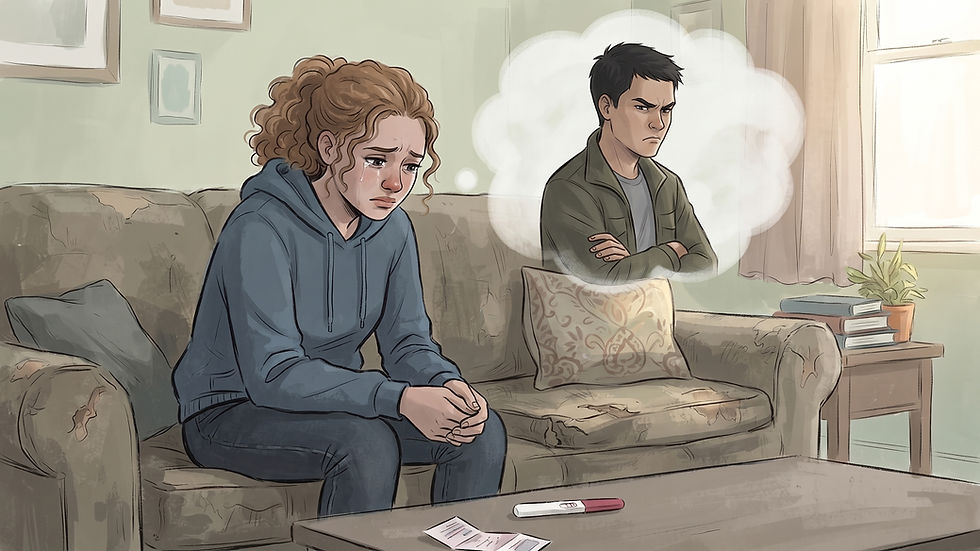
Support for Unplanned Pregnancies
We understand that not every pregnancy is planned, and it can be a difficult and emotional time. If you or someone you know is facing an unplanned pregnancy, you are not alone. You can reach out to us at 9183 4483 to speak to someone who understands and can guide you through your next steps. We are here for you, and we want to help you.


Comments