


Gentle Beginnings: Caring for Your Newborn (part 2)
Updated: Jan 16
Understanding Your Baby's Sleep Patterns

The early months with a newborn can be exhausting. Whether you are stepping into parenthood for the first time or adding to your growing family, you may find yourself running on very little sleep while trying to meet your baby's needs. Rest plays a crucial role in supporting your baby's growth. Adequate sleep helps newborns stay calm and responsive, support their overall well-being, and lay an important foundation for early learning and brain development.
Newborn sleep needs
Newborns need a lot of sleep, usually 14 to 17 hours a day for 0 to 3 months, and 12 to 15 hours for babies aged 4 to 11 months. This sleep is spread throughout day and night, and frequent waking for feeds is normal and healthy. Both naps and night-time rest are important for good quality sleep.
What can I do during the newborn stage
Every baby is unique, and they won't always stick to a strict schedule, and that is okay. Take the first few months to get to know your baby, their sleeping, feeding, and playing cues. Try to go with your baby's cues, they will let you know what they need. You may want to try the EASY method for a simple routine:
Eat: Offer your baby a feed.
Activity: Interact, play, cuddle, and talk to your baby.
Sleep: Place your baby on their back to get them to sleep.
Your time: When your baby is sleeping, it is your "me-time" to rest.
Signs your baby is sleepy
Yawning
Frowning
Closing fists or pulling at ears
Sucking on fingers
Fluttering eyelids or staring into space
Making jerky arm and leg movements, or arching backwards
Safe sleep practices
Keeping your baby safe while they sleep is crucial. These practices can help reduce the risk of SIDS, or cot death.
Place your baby on their back for every sleep - It is unsafe for babies to sleep on their side or tummy as they may accidentally roll onto their front, putting themselves at risk.
You can room share but don't share beds - It is safest for your baby to sleep in their own cot, ideally until they are around one year old. You can bring them into your bed to feed or comfort.
Use a firm sleep surface - Your baby should sleep on a firm mattress with a snugly fitted sheet. Soft surfaces such as sofas or nursing pillows, can be dangerous, as babies might roll or turn their heads into them, which could block their airway.
Remove loose objects from cot - Loose objects such as pillows, blankets, stuffed toys, bumper pads, and loose bedding, should be kept out of your baby's sleeping area. They increase the risk of entrapment, suffocation, and strangulation.
Breastfeed your baby - Research has shown that breastfeeding is associated with a reduced risk of SIDS. It is recommended to breastfeed exclusively, or feed with breast milk, for at least the first six months of your baby's life.
Stay smoke-free for your baby - Exposure to smoke, whether firsthand or secondhand, significantly increases the risk of SIDS. Mummies are advised to avoid smoking during pregnancy and after delivery.
Dress your baby appropriately for sleep - Generally, dress your baby in the same number of layers you are wearing, plus an additional layer for warmth - lightweight muslin, cotton wrap, or baby sleepwear such as wearable blankets. Avoid using loose blankets as they can cover your baby's head, which could obstruct their airway.
By understanding your baby's sleep patterns, responding to their cues, and practicing safe sleep habits, you can help your little one rest well while giving yourself confidence and peace of mind as a parent.
For a more comprehensive guide on sleep tips for each stage of your baby's first year, you can visit Health Hub here: https://www.healthhub.sg/programmes/parent-hub/baby-toddler/baby-sleep
Sources: Health Hub / Parent Hub 2026
For a comprehensive step by step guide to caring for your newborn, visit here: https://familiesforlife.sg/pages/fflp-step-by-step-in-pictures?fflpgroup=2
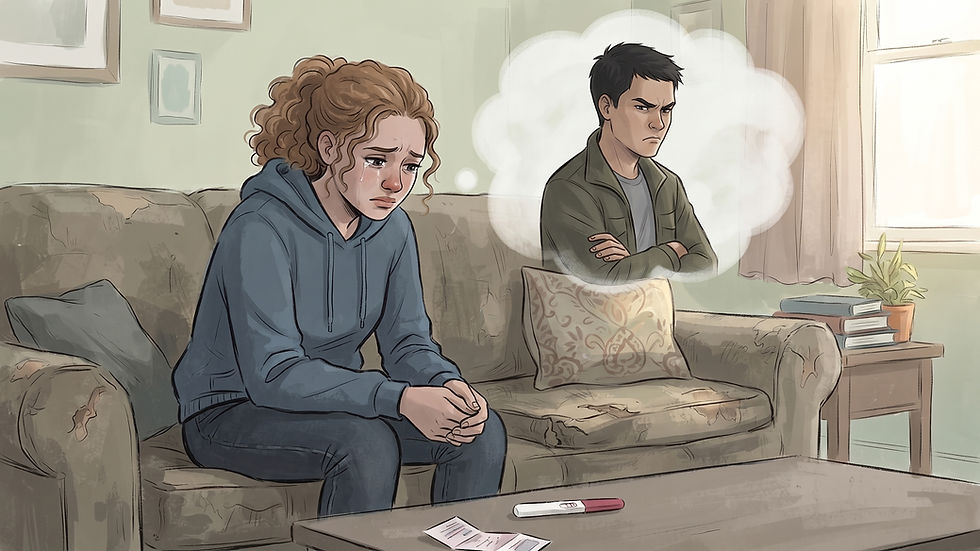
Support for Unplanned Pregnancies
We understand that not every pregnancy is planned, and it can be a difficult and emotional time. If you or someone you know is facing an unplanned pregnancy, you are not alone. You can reach out to us at 9183 4483 to speak to someone who understands and can guide you through your next steps. We are here for you, and we want to help you.


Comments