


Raising Young Children in Singapore (0-6 Years): Building Strong Foundations Beyond Academics
Updated: Feb 12
The early years of a child's life are often described as the "foundation years." In Singapore, this stage can also feel like the beginning of a long journey of parenting — childcare choices, enrichment classes, school preparation, and questions about whether our child is "on track."
Many parents of young children carry quiet worries:
"Should my child be learning more?"
"Is it too early or too late to start?"
"Am I doing enough?"
If you have these thoughts, you are not alone. But in the first six years, one of the most important things a child needs cannot be found in a worksheet or class. They need secure, loving relationships.

The Early Years Are About Development, Not Competition
In Singapore, it is easy to feel pressured to start early — phonics, math enrichment, coding classes, and more. While learning is important, young children grow best through:
Play
Exploration
Movement
Everyday conversations
Warm, responsive caregiving
Before age six, children are not just learning letters and numbers. They are learning:
Whether the world is safe.
Whether adults can be trusted.
How to manage feelings.
How to relate to others.
These emotional foundations shape how well they cope with stress and learning later on.
What Young Children Really Need
Parents often focus on giving their child the best opportunities. But research and experience show that what matters most in the early years includes:
A Secure Attachment
When caregivers respond consistently, comforting when a child is upset, showing joy when they succeed, children develop a sense of safety. This helps them become more confident and independent over time.
Time to Play
Play is not a waste of time. Through play, children learn:
Problem-solving
Language
Creativity
Simple activities like building blocks, pretend play, or playing at the playground, support development powerful ways.
Language Through Daily Life
Talking, reading stories, singing songs, and even chatting during meals help children build vocabulary and communication skills, without needing formal lessons.
Space to Feel Big Emotions
Tantrums, clinginess, and mood swings are normal in young children. They are still learning how to regulate their feelings. Calm guidance helps them learn what to do with those emotions.
Navigating Pressure to "Start Early"
It can be hard when other children seem to be reading earlier or attending many classes. Parents may worry their child will "lose out." But development in early childhood is not a straight line. Children grow at different paces. Pushing too hard, too early can sometimes lead to stress and resistance toward learning later.
A helpful question to ask is:
"Is this activity supporting my child's overall well-being, or mainly easing my anxiety?"
There is no single "right" timeline. A child who feels secure, curious, and supported is more likely to thrive in school later.
Building Life Skills From Young
Even toddlers and preschoolers can begin learning important life skills, such as:
Waiting for a turn.
Tidying up toys.
Trying again after small failures.
Expressing feelings with words.
Following simple routines.
These everyday habits build resilience, responsibility, and self-control, skills just as important as academics.
When Parents Feel Overwhelmed
Caring for young children is physically and emotionally demanding. Sleep deprivation, work responsibilities, and family expectations can add to the stress.
It is common to feel:
Guilty
Impatient
Unsure if you are doing things "right"
Seeking advice or support from family members, teachers, or community services, can help. Taking care of yourself also helps you care for your child.
Growing Together
The early years pass quickly. While planning for the future is important, childhood is also a time for connection, laughter, and discovery. Your child does not need a perfect parent. They need a present one, someone who comforts them, plays with them, and keeps showing up. Strong foundations are not built only through early achievement, but through everyday moments of warmth and security.
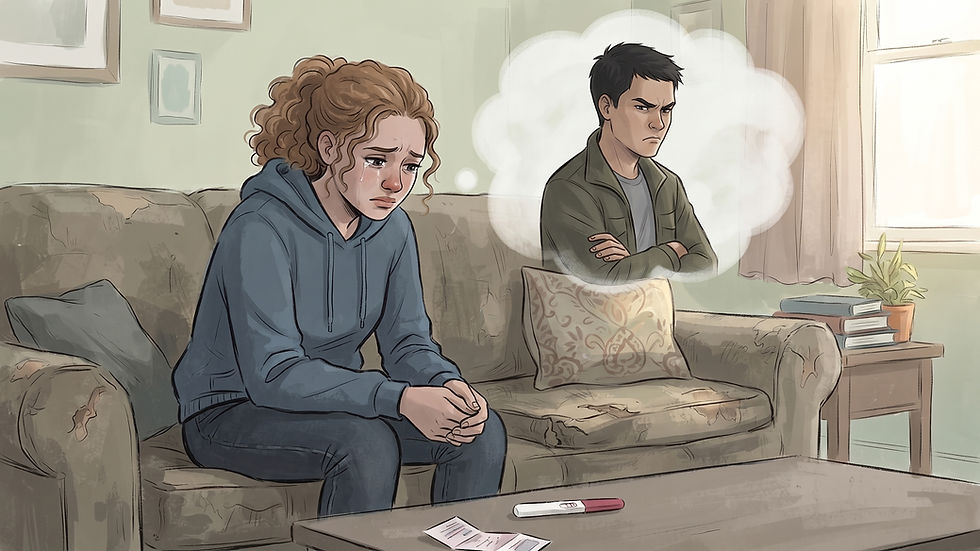
Support for Unplanned Pregnancies
We understand that not every pregnancy is planned, and it can be a difficult and emotional time. If you or someone you know is facing an unplanned pregnancy, you are not alone. You can reach out to us at 9183 4483 to speak to someone who understands and can guide you through your next steps. We are here for you, and we want to help you.


Comments