


Raising Children in Singapore: Between Love, Pressure, and Letting Go
Parenting is never easy. But parenting in Singapore may feel like walking on a tightrope, between wanting your child to succeed, and not wanting to overwhelm them along the way.
Many parents carry a quiet fear:
"If I relax, will my child fall behind?"
At the same time, they worry:
"Am I pushing too hard?"
If this sounds familiar, you're not alone. The environment we parent in shapes our worries, expectations, and decisions more than we realise.

SG Parenting in a High-Pressure Environment
Singapore offers safety, good education, and opportunities, things many parents are deeply grateful for. But it is also a high-performance society.
From a young age, children are exposed to:
Academic competition.
Enrichment classes and packed schedules.
Comparison with peers.
Conversations about exams, schools, and future careers,
Over time, it can feel like childhood is a race that starts earlier every year. For parents, love often shows up as planning, preparing, and protecting their child's future. But constant pressure, even when well intended, can affect a child's emotional well-being.
What Parents Want vs What Children Need
Most parents don't push their children because of pride or status. They do it because they care.
Common hopes parents have:
"I want my child to be responsible."
"I want them to be resilient."
"I want them to have a stable future."
"I don't want them to struggle like I did."
These are loving intentions. But children today are growing up in a very different world from the one their parents knew.
Today's children face:
Social media comparison and identity pressure.
Higher awareness of mental health.
A faster-paced, more uncertain future.
Greater emotional sensitivity and expression.
What this means is that children don't just need direction, they also need emotional safety.
From Control to Connection
Many parents were raised in a time when authority was rarely questioned. "Because I said so" was normal. But today, children and teens are more likely to withdraw if they feel unheard.
Connection does not mean being permissive, it means:
Listening before correcting.
Asking questions instead of assuming.
Letting children share feelings without fear of immediate judgement.
When children feel safe talking about mistakes, stress, or worries, parents can guide them earlier, before problems grow bigger. Often, what helps a child most is not another solution, but the feeling: "My parents understand me."
Success Is More Than Results
Academic achievement is important, but it is not the only measure of how a child is doing.
A child who:
Can manage disappointment.
Knows how to ask for help.
Has a sense of self-worth beyond grades.
Feels supported at home.
Is building strengths that last far beyond school.
Enrichment builds skills. But relationships build confidence, security, and resilience.
Recognising Stress in Children
Children do not always say, "I'm stressed." It can show up in other ways:
Irritability or mood swings.
Trouble sleeping.
Avoiding school or activities they used to enjoy.
Frequent headaches or stomach aches.
Shutting down or becoming unusually quiet.
These signs don't mean parents have failed. Rather, they are signals, for a chance to pause, listen, and adjust.
You Don't Have to Do This Alone
Parenting can feel isolating, especially when everyone else seems to be coping well. But many families face similar struggles behind closed doors.
Seeking support from schools, counsellors, or family service organisations, is not a sign of weakness. It is a way of caring for both your child and yourself.
Sometimes, a small change in communication or expectations can make a big difference in a child's emotional well-being.
Growing Together
Parenting in Singapore comes with real pressures, and it is natural to worry about your child's future. But children also need space to grow, make mistakes, and discover who they are, with their parents beside them, not only directing them.
Most parents want to be nurturing, but nurturing takes more than instinct. It requires skills, reflection, clear values, and a willingness to learn and adjust. Children pick up not just what parents teach, but their biases, language, emotions, and worldviews. Parenting is as much about self-awareness as guidance.
Even with the same upbringing, children can turn out differently. Each child has a unique personality and perspective, so flexibility matters.
There is no perfect way to parent. But warmth, listening, and willingness to adjust go a long way. In the end, what many children remember most is not how many classes they attended, but whether home felt like a safe place to land.
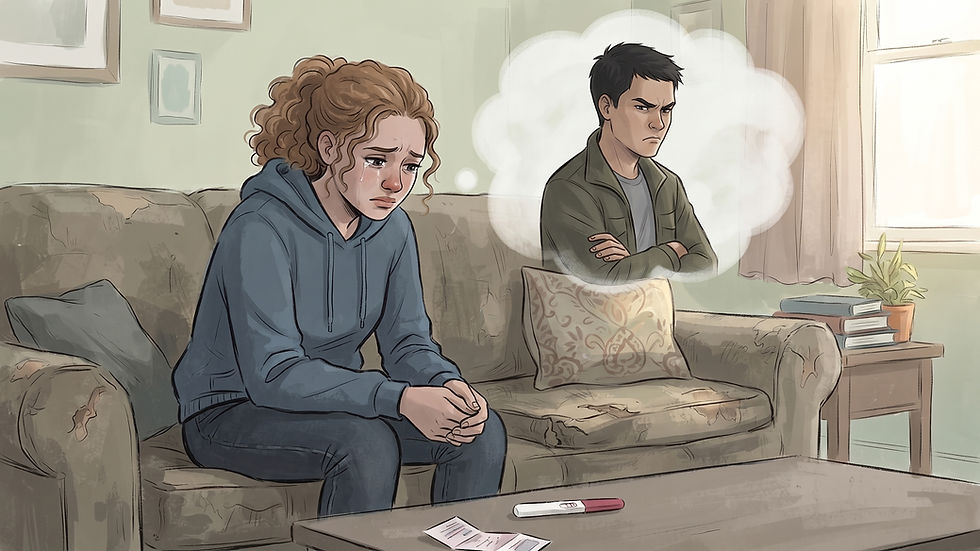
Support for Unplanned Pregnancies
We understand that not every pregnancy is planned, and it can be a difficult and emotional time. If you or someone you know is facing an unplanned pregnancy, you are not alone. You can reach out to us at 9183 4483 to speak to someone who understands and can guide you through your next steps. We are here for you, and we want to help you.


Comments