


Talking to Someone You Trust After an Abortion

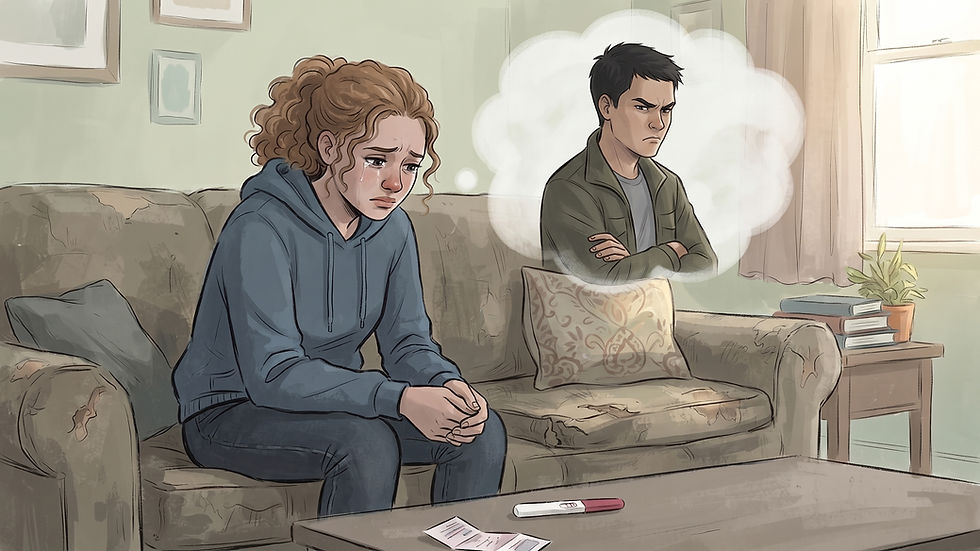
After an abortion, women may find themselves carrying thoughts and emotions they are unsure how to share. Even when surrounded by others, it is possible to feel alone. If you are considering talking to someone after an abortion, know that there is no right or wrong timeline for opening up.
You are not obligated to tell anyone about your experience. However, having support can make it easier to process your thoughts and feelings. Whether you are seeking reassurance, understanding or simply someone to listen, sharing with a trusted person may help you feel less isolated.
There Is No Pressure to Share
Feeling as though you must carry everything on your own can sometimes make emotional challenges feel heavier. You may find that speaking with someone you trust helps organise your thoughts and better understand emotions. There is no deadline for sharing your experience. Some people speak about it soon afterwards, while others wait months or years.

Who Might Be the Right Person to Talk To
If you are wondering who to talk to after an abortion, consider someone who can listen without judgement and respect your feelings.
You might choose:
A close friend who makes you feel safe and supported
A partner who is caring and respectful
A family member you trust
A counsellor who can provide confidential guidance
A support service or peer support programme
The most important quality is not having the perfect advice, but being willing to listen.
How to Tell Someone About Your Abortion
You could begin with:
"I have been going through something personal and would like to talk about it."
"I could really use someone to listen right now."
"I had an abortion and have been processing how I feel."
You are allowed to decide how much you want to share. This conversation belongs to you.
What You Might Be Feeling and Why It Is All Valid
Everyone experiences post abortion feelings differently. There is no correct emotional response.
You may feel:

Relief

Sadness

Grief

Guilt or shame

Numbness

Several emotions at the same time
Some people seek abortion grief support because they are struggling with loss. Others feel relieved but still want to talk about what happened. Many experience a mixture of emotions that change over time.
Whatever you are feeling, your experience is valid and deserves compassion.
What if the Person Reacts Badly
Sometimes people do not respond in the way we hope. If someone reacts negatively, remember that their response does not define your worth or invalidate your experience. You have the right to protect your emotional well-being.
You may choose to:
End the conversation if it feels harmful
Set boundaries around future discussions
Reach out to someone else you trust
Seek professional support
Finding emotional support after abortion may mean looking beyond your immediate circle if you do not receive the understanding you need.

aLife: Professional and Community Support for Women
If speaking with someone you know feels difficult, post abortion support is available through counselling services, support programmes and community organisations.
aLife provides a safe and supportive space for individuals seeking emotional support after an abortion. Through confidential conversations, women can explore their feelings, access guidance and receive support at a pace that feels comfortable for them.
Whether the experience was recent or happened years ago, support remains available for those seeking understanding, healing or closure.
You Deserve Support, Whatever You're Feeling
Opening up can feel vulnerable, but it can also be an important step towards understanding and healing. Sharing your abortion experience does not mean telling everyone. Sometimes, one trusted person is enough. If you decide to reach out, do so at your own pace and in a way that feels right for you.
Frequently Asked Questions
Is it normal to feel emotional after an abortion? Yes. People experience a wide range of emotions, including relief, sadness, grief, guilt, numbness or a mixture of feelings.
Who can I talk to after an abortion if I have no one? You may consider speaking with a counsellor, support service or community organisation that provides confidential support.
How do I tell a friend I had an abortion? Keep it simple and share only what feels comfortable. You do not need to explain every detail.
What kind of support is available after an abortion? Support may include counselling, peer support groups and confidential services that provide emotional care and guidance.


Comments