


Mental Health During an Unplanned Pregnancy: Making Space for Your Feelings
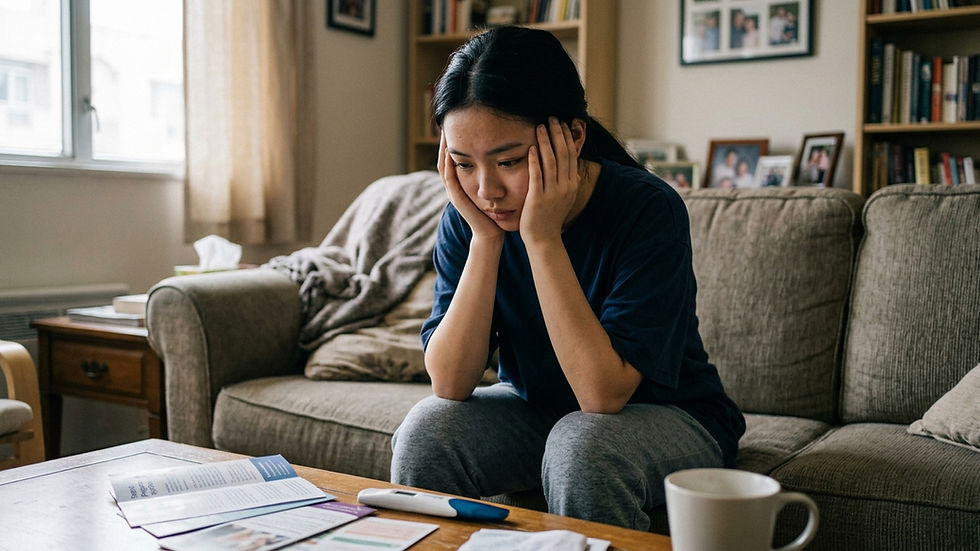
An unplanned pregnancy can bring emotions that are difficult to describe. You may feel overwhelmed, anxious, numb, hopeful or uncertain, sometimes all within the same day. If you are struggling with mental health during an unplanned pregnancy, it is important to know that these reactions are common and valid.
An unexpected pregnancy can affect emotional well-being in many ways. The combination of life changes, uncertainty and personal circumstances can create emotional challenges that feel difficult to manage alone. This article explores common emotional experiences, why they happen and where you can find support when you need it.
Why an Unplanned Pregnancy Affects Mental Health
Pregnancy often brings significant changes, even when it is planned. When the pregnancy is unexpected, those changes can feel even more intense.
Several factors may contribute to emotional distress:
The shock of receiving unexpected news
Concerns about finances, relationships or plans
Fear of judgement from family, friends or society
Feelings of uncertainty about what to do next
Hormonal changes that may affect mood and emotions
These experiences can have a significant impact on emotional wellbeing during an unplanned pregnancy, particularly when multiple pressures occur at the same time.
Some people may also feel isolated because they are unsure who to talk to or worry that others may not understand what they are going through.
Common Emotions You Might Be Experiencing
There is no single emotional response to an unplanned pregnancy. Women may experience a mixture of feelings that change over time.
You may experience:

Shock and disbelief – It can take time for the reality of the pregnancy to sink in.

Fear and anxiety – Concerns about the future, relationships or responsibilities are common.

Grief – You may grieve the loss of plans or expectations you previously had for your life.

Shame or embarrassment – Some people worry about how others may view their situation.

Ambivalence – It is possible to feel hopeful and worried at the same time.

Relief – Relief is also a valid emotional response and may coexist with other feelings.
Women may also experience anxiety during an unexpected pregnancy, particularly when faced with uncertainty or major decisions. These emotions do not mean you are coping poorly. They are often a natural response to a significant life event.
When Normal Distress Becomes Something More
Feeling emotional during an unplanned pregnancy does not automatically mean something is wrong. However, there are times when additional support may be helpful.
You may wish to seek professional guidance if you experience:
Persistent sadness that does not improve
Excessive worry that interferes with daily life
Difficulty sleeping for extended periods
Withdrawal from friends, family or activities
Feelings of hopelessness
Intrusive or distressing thoughts
Difficulty managing everyday responsibilities
Some individuals experience depression during pregnancy, while others may develop more significant anxiety symptoms. These conditions can affect emotional health, relationships and overall well-being.
If your emotions are becoming difficult to manage, speaking with a counsellor or healthcare professional can be an important step.

Coping Strategies That Actually Help
While there is no quick solution for emotional distress, some strategies can help you feel more supported and grounded.
Talk to Someone You Trust
You do not need to tell everyone what you are going through. Sometimes speaking with one trusted person can ease feelings of isolation.
Write Down Your Thoughts
Journaling can help organise emotions that feel overwhelming. Writing without judgement allows you to explore thoughts privately and at your own pace.
Focus on Physical Well-Being
Basic self-care can support emotional health.
Consider:
Getting adequate rest
Staying hydrated
Eating regular meals
Engaging in gentle physical activity if appropriate
Limit Comparisons
Social media often presents carefully curated versions of other people's lives. Reducing exposure to comparison can help protect your emotional well-being.
Focus on the Next Step
Instead of trying to solve everything immediately, focus on the next decision or action in front of you. Breaking things into smaller steps often feels more manageable.
Grounding Techniques for Anxiety
When feeling overwhelmed, grounding exercises can help bring attention back to the present moment.
Examples include:
Slow breathing exercises
Naming things you can see, hear or feel around you
Taking a short walk
Holding a comforting object
These approaches may help reduce stress due to unplanned pregnancy during difficult moments.

Where to Find Mental Health Support
You do not have to navigate these emotions alone.
Support may be available through:
Healthcare professionals who can assess your emotional well-being
Pregnancy counsellors who provide non-directive guidance
Online therapy services
Community organisations that support individuals facing pregnancy-related challenges
Peer support groups where people share similar experiences
Crisis support services if you are in immediate emotional distress
Emotional support can be especially valuable during periods of uncertainty. Through programmes such as SUPeRF, aLife supports individuals who may be feeling overwhelmed, anxious or unsure of their next steps, helping them access both emotional and practical support where needed.
Seeking pregnancy anxiety support is not a sign of weakness. It is a way of caring for yourself during a challenging period.
For those who are coping with unwanted pregnancy emotionally, professional support can provide a safe space to explore feelings without pressure or judgement.
Supporting Someone Else Through an Unplanned Pregnancy
If someone you care about is experiencing an unplanned pregnancy, your response can make a meaningful difference.
Helpful approaches include:
Listening without interrupting
Avoiding judgement or criticism
Respecting their pace and decisions
Asking how you can support them
Encouraging professional support when appropriate
Try to avoid:
Telling them what they should do
Minimising their emotions
Making assumptions about how they feel
Often, the most valuable thing you can offer is your presence and willingness to listen.
Your Mental Health Matters
An unplanned pregnancy can affect both emotional and physical well-being. Whatever you are feeling right now, your emotions deserve attention, care and understanding.
You do not need to have all the answers today. Taking one small step, whether that means speaking with someone you trust, seeking counselling or simply acknowledging your feelings, can make a difference.
If you would like additional support, aLife provides a private and safe space where women can talk through their feelings, explore their concerns and access guidance at their own pace. Speaking with a counsellor or support facilitator can be one way of caring for your emotional well-being during this time.
Frequently Asked Questions
Is it normal to feel anxious after finding out about an unplanned pregnancy? Yes. It is completely understandable to feel anxious, overwhelmed or unsure after learning that you are pregnant unexpectedly.
How does an unplanned pregnancy affect mental health? An unplanned pregnancy can bring a range of emotions, including anxiety, stress, fear, confusion or uncertainty, all of which can affect emotional well-being.
What mental health support is available during an unplanned pregnancy? Support may include counselling, therapy, peer support groups, pregnancy support services and healthcare professionals who can assess emotional well-being.
Where can I get mental health support during an unplanned pregnancy? If you are feeling overwhelmed, anxious or unsure, support may be available through counsellors, healthcare professionals, community organisations and pregnancy support services such as aLife.
Can anxiety during pregnancy harm the baby? Stress and anxiety are common during pregnancy. If anxiety becomes severe or persistent, it is worth discussing with a healthcare professional who can provide appropriate support.
How do I cope with an unplanned pregnancy emotionally? Helpful strategies may include speaking with someone you trust, journaling, practising grounding techniques, focusing on self-care and seeking professional support when needed.


Comments