


Understanding Your Choices: A Guide to Unplanned Pregnancy Options
Updated: Jun 12

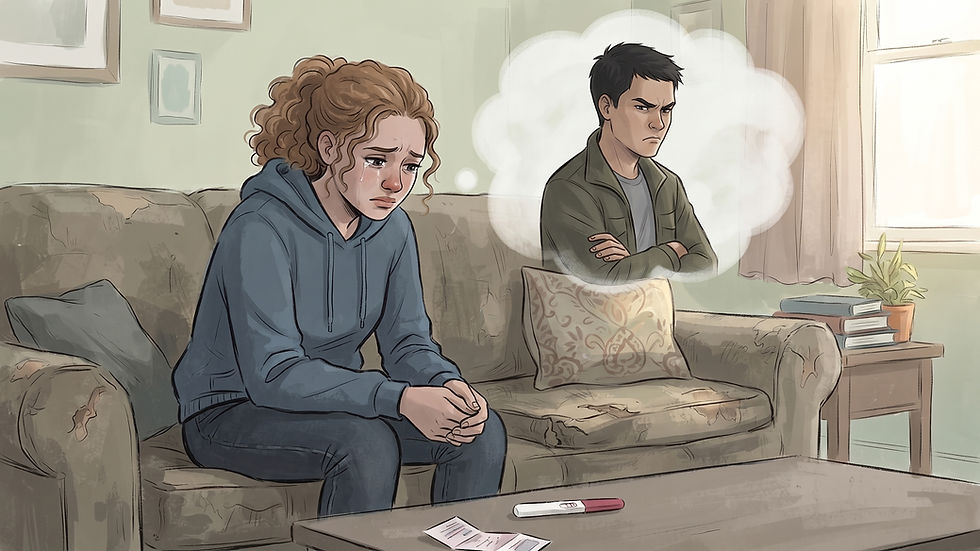
Discovering a pregnancy when you were not expecting it can feel overwhelming. You may experience a mix of emotions, including fear, confusion, uncertainty and concern about what comes next. If you are searching for unplanned pregnancy options, it is important to know that you are not alone and that support is available.
There are three main paths available after a pregnancy: continuing the pregnancy and raising the child, making an adoption plan, or ending the pregnancy. Each option comes with its own practical, emotional and personal considerations. None of these decisions is simple, and there is no universally correct choice. This article aims to provide clear, non-judgemental information to help you better understand your choices and consider what may feel right for your circumstances.

Option 1: Continuing the Pregnancy and Parenting
What Choosing to Parent Means
For some individuals, parenting feels like the right path after learning they are pregnant. Choosing to parent means continuing the pregnancy and taking on the responsibility of raising the child.
Parenting can take different forms. Some people raise a child with a partner, while others choose single parenthood. There may also be support from extended family members, friends or community networks.
For those considering parenting after an unplanned pregnancy, it can be helpful to remember that uncertainty is common. Many parents, including those with planned pregnancies, experience doubts and concerns as they prepare for a significant life change.
Practical Considerations
Parenting involves ongoing responsibilities that begin before birth.
Some areas to think about include:
Financial planning and household expenses
Accessing prenatal care throughout pregnancy
Housing and childcare arrangements
Educational or career plans
Workplace rights and parental leave arrangements
Understanding available support programmes and resources may help make planning feel more manageable.
Emotional Considerations
The emotional experience of becoming a parent is often complex.
You may experience:
Excitement about the future
Fear of the unknown
Concern about readiness
Hope mixed with uncertainty
Building a support system can be valuable during this period. Counselling services, parenting programmes and community organisations may provide practical guidance and emotional support.

Option 2: Adoption
What Adoption Means Today
When exploring options after an unplanned pregnancy, adoption may be another path to consider.
Modern adoption differs from many outdated assumptions. Adoption today often involves thoughtful planning, legal protections and varying levels of ongoing communication between birth parents and adoptive families.
Importantly, birth parents generally retain legal rights until the adoption process reaches specific legal stages of completion.
Types of Adoption
Several adoption arrangements may be available.
Open Adoption
Open adoption allows ongoing communication between birth parents, the child and the adoptive family. The level of contact varies depending on agreements and circumstances.
Semi-Open Adoption
Semi-open adoption typically involves communication that is facilitated through an agency or intermediary rather than direct contact.
Closed Adoption
Closed adoption generally involves no ongoing contact after the adoption process is completed.
Depending on local laws and circumstances, adoption may be domestic or international.
What the Process Looks Like
For those considering adoption after an unplanned pregnancy, the process usually involves working with adoption professionals, agencies or legal representatives.
The process may include:
Counselling and information sessions'
Selection of adoptive parents
Legal documentation and approvals
Ongoing support services
Adoption timelines vary, and emotional experiences can differ significantly from person to person.
Emotional Considerations
Adoption can involve a wide range of emotions.
Some individuals experience:
Relief knowing their child is being cared for
Grief related to separation
Sadness, hope or uncertainty
A combination of conflicting emotions
These feelings are valid and can continue long after the adoption process is completed. Post-adoption counselling and support groups may provide valuable support.

Option 3: Abortion
What Abortion Means
For some people considering unexpected pregnancy choices, abortion may be an option they wish to explore.
Abortion is a medical procedure used to end a pregnancy. Laws and regulations differ significantly between countries and regions, which may affect availability and access.
Individuals should seek information from qualified healthcare providers regarding local regulations and available services.
Types of Abortion
Medical Abortion
Medical abortion involves the use of medication to end a pregnancy during the early stages.
This approach is sometimes referred to as the abortion pill and is generally available only within specific gestational timeframes determined by local regulations and medical guidelines.
Surgical Abortion
Surgical procedures are performed in clinical settings by trained medical professionals.
Procedures may include:
Aspiration procedures
Dilation and evacuation (D&E) procedures
The specific method depends on factors such as gestational age and medical circumstances.
Access and Timing
When considering abortion options, timing is an important factor.
Things to consider include:
Gestational limits that may apply in certain locations
Appointment availability
Medical eligibility requirements
Costs and potential financial assistance programmes
Seeking information early can help ensure that all available options remain accessible.
Emotional Considerations
People experience a wide range of emotions after an abortion.
These may include:
Relief
Sadness
Grief
Peace of mind
Mixed emotions
There is no single emotional response that applies to everyone. Post-abortion counselling and support services may be helpful for those who wish to process their experience further.
How to Make Your Decision
It may help to reflect on questions such as:
What feels most aligned with my values?
What support systems do I currently have?
What concerns am I carrying right now?
What practical resources are available to me?
What information do I still need before deciding?
Have I spoken with someone who can provide non-directive support?
A trained counsellor can help you explore these questions without pressure or judgement. At aLife, support is centred on listening, understanding and helping individuals navigate their situation with care.
You can take time to explore your thoughts, ask questions and access information in a safe and non-judgemental environment. While it is important to take time to reflect, it is also important to understand whether any timing considerations may affect available choices.

Finding Support No Matter What You Choose
Whatever path you choose, support remains important.
You may benefit from:
Professional counselling services
Pregnancy support organisations
Parenting support programmes
Adoption support services
Post-abortion support resources
Trusted family members or friends
Seeking support does not mean you are uncertain. It simply means you are giving yourself access to information, guidance and care during a significant life event.

Support and Guidance for Whatever Comes Next
Exploring unplanned pregnancy options can feel emotionally and mentally demanding. Parenting, adoption and abortion are all significant decisions that deserve thoughtful consideration and access to accurate information.
There is no perfect choice that fits every situation. What matters is finding the option that aligns with your circumstances, values and needs. Whatever you decide, you deserve support, compassion and access to reliable information throughout the process.
Frequently Asked Questions
What should I do if I have an unplanned pregnancy? Take time to understand your options, process your feelings and seek support if you need help exploring your next steps.
What are the three options for an unplanned pregnancy? The three primary options are parenting, adoption and abortion. Each comes with different practical, emotional and personal considerations.
Is adoption a good option for an unplanned pregnancy? Adoption may be a suitable option for some individuals. The right choice depends on personal circumstances, values and preferences.
How do I decide what to do about an unplanned pregnancy? Consider your circumstances, values and support system, and seek non-judgemental guidance if you would like help making an informed decision.
Can I change my mind after choosing adoption? The ability to change your mind depends on the stage of the legal adoption process and the laws that apply in your location. Professional legal and adoption guidance is important when considering adoption.


Comments