


Understanding Teen Pregnancy in Singapore: Teenage Psychology, Emotional Challenges and Support
Updated: Jun 4

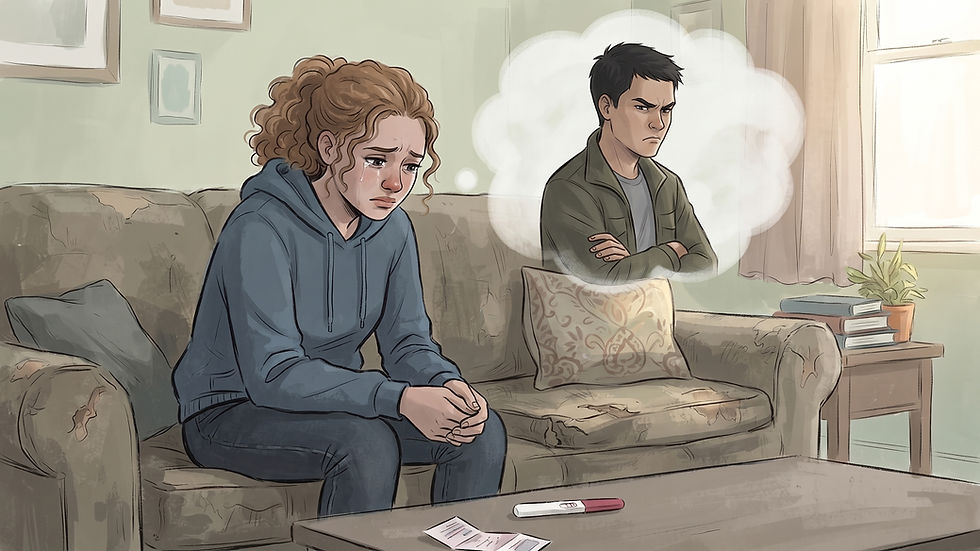
Teen pregnancy is often spoken about in terms of outcomes or decisions, but for the teenager experiencing it, the reality is far more personal. In the context of teen pregnancy in Singapore, it is important to look beyond the situation and understand what a young person may be feeling, thinking and going through in that moment.
Adolescence is already a time of change. Emotions can feel intense, identity is still forming, and the need for acceptance is strong. When an unplanned pregnancy occurs during this stage, it can feel overwhelming. Thoughts may come quickly, emotions may shift from moment to moment and uncertainty can feel difficult to hold. Understanding these experiences helps create space for support that is patient, respectful and grounded in care.

The Psychology of Teenage Girls
Teenagers are still developing emotionally and psychologically, which shapes how they experience and respond to challenges. During this stage, feelings are often more immediate and deeply felt, while decision-making is still evolving.
A teenager may be navigating:
A strong desire to belong or be accepted, which can make peer pressure difficult to resist
Sensitivity to how others perceive them, often shaped by social expectations and comparison
Internal pressure influenced by social media, including unrealistic standards and self-image concerns
Body image challenges that can affect self-worth and intensify emotional responses
There are also common misconceptions about how teenagers make decisions:
What may appear impulsive is often shaped by emotions, environment and limited life experience
Teenagers are not acting without thought, but are processing complex feelings while still learning how to navigate them
These influences can affect how a young person processes a situation like a teenage pregnancy. What may seem like uncertainty from the outside is often a reflection of conflicting emotions happening at the same time. It is important to recognise that teenagers are not careless or incapable. They are learning, adapting and trying to make sense of situations that may feel bigger than what they have experienced before.
Personal Challenges Faced by Teenagers
For many teenagers, pregnancy comes alongside existing responsibilities and expectations, which can make everything feel heavier and more difficult to manage.
A teenager may find themselves navigating:
School pressures, including concerns about academic progress
Family reactions, such as fear of disappointment, conflict or not being understood
Social pressures, including stigma, judgement or being treated differently
Uncertainty about who to talk to or how to start the conversation
Some factors may increase vulnerability to an unplanned pregnancy in Singapore, including:
Limited access to accurate information or guidance
Difficulty setting boundaries in relationships
Emotional distress or a need for acceptance and connection
These experiences are often shaped by broader teenage challenges, where expressing emotions or seeking help may not feel easy.
Emotionally, the impact can be significant and may affect adolescent mental health. Teenagers may experience:
Fear about the future or what lies ahead
Shame or self-blame, even when they are unsure why they feel that way
Confusion as thoughts and emotions shift rapidly
A sense of isolation, even when surrounded by others
Some teenagers may appear calm on the outside while feeling overwhelmed internally, while others may withdraw or struggle to process what they are going through.
Pregnancy Assistance Through aLife

When a teenager feels unsure, the way others respond can make a significant difference. Being heard without judgement can help them feel safer in opening up.
Teenagers often need confidential and judgement-free support so they can express their thoughts without fear of criticism, pressure or consequences. Feeling safe enough to speak honestly is often the first step toward seeking help.
Creating trusted spaces for teens means:
Allowing conversations to happen without pressure or assumptions
Listening with patience rather than immediately offering solutions
Respecting their pace as they process their thoughts
Reassuring them that their feelings will be kept private and taken seriously
Organisations and parents can support this by creating environments where teenagers feel heard, respected and not rushed into decisions. Support for teenagers does not always mean having the right answers. Sometimes, it begins with simply being present.
When teenagers feel understood, they are more likely to ask questions, share concerns and explore what they need next.
Sensory and Emotional Support Techniques

Emotions can feel intense and difficult to organise during this time. Gentle, practical techniques can help teenagers feel more grounded.
Some approaches that may help include:
Mindfulness exercises to slow down racing thoughts and ease anxiety
Journaling to express feelings privately and make sense of emotions
Creative outlets, such as drawing or music, to release what feels hard to say
Sensory-based approaches can help teenagers process feelings and trauma by allowing them to express emotions in ways that do not rely only on words, making it easier to cope with overwhelming experiences.
These methods are not about solving everything at once. They offer small moments of stability, helping teenagers reconnect with themselves in a way that feels manageable.
The Role of AI in Teen Support
Some teenagers may find it easier to seek support privately at first. AI mental health tools can provide a starting point where users can explore their thoughts without fear of judgement.
These may include:
Chat-based platforms that allow anonymous conversations
Apps that guide emotional reflection and coping strategies
Digital tools that provide structured and easy-to-understand information
While these tools can be helpful, they are most effective when paired with human support. Speaking with a trained professional through services like teen counselling in Singapore can provide a deeper understanding, reassurance and guidance.
Resources and Support Networks in Singapore
Support is available, even if it may not always feel visible at first. Reaching out can open the door to conversations that feel safe and supportive.
Access to support for teenagers may include:
Counselling services that offer a confidential space to talk
Helplines that provide immediate listening support
Community organisations that guide teenagers through their options
aLife is one of the organisations that provides this kind of support. They offer a space where teenagers can speak openly, ask questions and receive guidance without judgement, allowing them to move forward at their own pace.
Through programmes such as SUPeRF (Support for Unplanned Pregnancies – Resource Facilitation), teenagers can receive support in a safe and impartial environment. This includes having someone who listens carefully, provides clear and reliable information, and helps them explore their options without pressure.
SUPeRF also offers ongoing emotional support, guidance and connection to practical resources where needed. For teenagers who may feel unsure, alone or overwhelmed, having consistent support can help them feel steadier and better equipped to navigate what comes next.
Supporting Teenagers with Care and Understanding
Teen pregnancy is not only a situation to respond to, but an experience that deserves understanding and care. Every teenager processes it differently, and there is no single way they are expected to feel. What matters is that they are not left to navigate it alone.
With access to emotional support, safe spaces and guidance that respects their pace, teenagers can begin to feel more grounded and gradually come to terms with their pregnancy, whatever path they choose.
If you or someone you know needs support, reaching out can be a gentle first step. aLife offers confidential guidance and support, creating a space where teenagers can be heard, understood and supported through this experience.


Comments