


Pregnancy Options: 5 Questions Before Making a Decision
Updated: Aug 25

Finding out that you are pregnant can bring many thoughts and emotions all at once. If the pregnancy was unexpected, you may feel uncertain about what comes next or worry that you need to make a decision immediately. While it is natural to want answers, giving yourself time to reflect can help you make a choice that feels right for your circumstances.
Every woman's situation is different. Your relationships, personal values, health, finances and plans may all influence how you think about your next steps. There is no single decision that is right for everyone, and you do not need to have everything figured out today.
If you are exploring pregnancy options, it may help to begin by asking yourself a few honest questions. Taking time to understand your emotions, consider the support available to you and gather reliable information can make the decision-making process feel more manageable.
This guide explores five questions that may help you reflect on your situation, identify what matters most to you, and better understand where you can turn for guidance if you feel unsure.
Question 1 — What Am I Feeling Right Now?

Learning about a pregnancy can bring a wide range of emotions. You may feel shocked, relieved, anxious, hopeful, confused or overwhelmed. Some women experience several emotions at the same time, while others find that their feelings change from day to day.
If you are experiencing an unexpected pregnancy, remember that there is no correct way to feel. Your individual circumstances influence your emotions, experiences and hopes for the future. Permitting yourself to acknowledge those feelings can be an important first step.
Before thinking about what decision to make, it can help to ask yourself simply:
What emotions am I experiencing today?
What feels most overwhelming right now?
Am I reacting to the news itself, or am I worrying about what might happen next?
What concerns keep coming back to my mind?
Sometimes fear can make every decision feel urgent. While some situations may involve practical time considerations, it is often helpful to separate immediate emotions from the facts of your situation.
For example, you may be worried about how your family will respond, whether your relationship will change or how this could affect your plans. These concerns are understandable, but they do not necessarily need to be answered all at once.
Taking time to recognise your emotions does not delay your progress. Instead, it can help you approach the next steps with greater clarity and confidence.
If you are facing an unplanned pregnancy, you do not need to suppress difficult emotions or feel guilty for having mixed feelings. It is possible to experience uncertainty while gathering information and thoughtfully considering your options.
Some women find it helpful to write their thoughts in a journal, while others prefer speaking with someone they trust. Even taking a few quiet moments to reflect can help organise emotions that may feel overwhelming at first.
Whatever you are feeling today, remind yourself that emotions do not have to determine your decision. They are simply one part of your experience, and giving yourself space to process them can make it easier to think about what comes next with greater self-compassion.
Question 2 — What Support Do I Have?
One of the most important questions you can ask yourself is whether you have people who can support you during this time. Facing a pregnancy decision can feel less overwhelming when you know you do not have to carry every thought or responsibility on your own.
Support looks different for everyone. Some women have people they can turn to immediately, while others may feel unsure about who to trust. Whatever your situation, identifying the support available to you can help you better understand what resources you already have and where you may need additional guidance.
You might consider:
 | A partner who is willing to listen and communicate openly |
| Family members who provide practical or emotional support |
| Friends who can offer reassurance without judgement |
| Healthcare professionals who can answer medical questions |
| Counsellors who provide a confidential space to talk |
| Community organisations that offer guidance and resources |
If you have supportive people in your life, think about how they can help. Their support may involve listening without offering opinions, helping you gather information or simply being present while you work through your thoughts.
It is also important to recognise that support is not only about the number of people around you. Sometimes having one trusted person who listens with compassion can be more meaningful than receiving advice from many different voices.
For women looking for unplanned pregnancy support, reaching out can feel difficult at first. You may worry about being judged, disappointing someone or being pressured to make a particular decision. These concerns are understandable, but they should not prevent you from seeking the support you need.
If you do not feel comfortable speaking with family or friends, remember that support can come from other sources. Many women find it helpful to speak with a counsellor or trained support worker who can listen without judgement and provide reliable information.
As you reflect on your support system, ask yourself:
 | Who makes me feel safe enough to be honest? |
| Who listens without trying to make decisions for me? |
| Who respects my values and circumstances? |
| Who can support me emotionally, regardless of what I decide? |
The answers may help you recognise the people who can walk alongside you during this process.
If your current support system feels limited, know that you are not expected to manage everything alone. Accessing support for an unplanned pregnancy does not mean you are unable to make your own decisions. Instead, it allows you to explore your thoughts, ask questions and better understand your options in a safe and supportive environment.
Building a support network is not about having all the answers today. It is about knowing that, whatever you decide, some people and services can help you navigate the journey with greater confidence and care.
Question 3 — What Are My Pregnancy Options?
Making a decision often feels easier when you have accurate and balanced information. Rather than relying on assumptions or opinions from others, take time to understand the available options and what each one may involve.
If you are considering pregnancy options, remember that there is no single path that is right for everyone. Every woman's circumstances, values and priorities are different, which is why it is important to explore each option without pressure or judgement.

Parenting
Some women decide to continue the pregnancy and raise their child. Parenting can be a meaningful choice, but it also comes with long-term responsibilities and significant life changes.
As you reflect on this option, you may wish to consider:
Your current support network
Financial responsibilities
Housing and childcare arrangements
Education or career plans
Your physical and emotional well-being
Many women worry that they need to feel completely prepared before becoming a parent. In reality, it is common to have questions and uncertainties, even in planned pregnancies. Taking time to understand the support available may help you feel more informed as you explore this path.

Adoption
For some women, adoption may feel like the most appropriate option for their circumstances.
Adoption allows another family to provide long-term care for the child. Depending on local laws and arrangements, there may be different types of adoption with varying levels of ongoing contact between birth parents and the adoptive family.
Like any significant decision, adoption can bring a range of emotions. Some women experience reassurance, while others may experience grief or uncertainty. These emotions are personal, and there is no right or wrong way to experience them.

Abortion
Some women may decide to end the pregnancy after carefully considering their circumstances.
Abortion is a medical procedure, and access, regulations and available services vary depending on where you live. If you are exploring this option, it is important to seek information from qualified healthcare professionals who can explain the procedures, timing considerations and available support.
Women also experience a wide range of emotions before and after an abortion. Some feel relief, while others experience sadness, uncertainty or mixed emotions. Every experience is unique and deserves understanding rather than judgement.
Taking Time to Understand Your Choices
Making a pregnancy decision is rarely about choosing the "perfect" option. More often, it involves carefully considering what feels most appropriate for your circumstances, values and future.
As you reflect, you might ask yourself:
| Which option feels most consistent with my values? |
| What practical considerations should I think about? |
| What information do I still need? |
| What support would help me feel more confident? |
You do not need to answer every question immediately. Learning about your options before making a decision can help reduce uncertainty and allow you to move forward with greater clarity.
If you would like to explore each option in more detail, aLife provides information and guidance to help women better understand their choices. Learning more about each path can make it easier to ask informed questions and consider what feels right for your individual situation.
Question 4 — Am I Feeling Pressured by Someone Else?
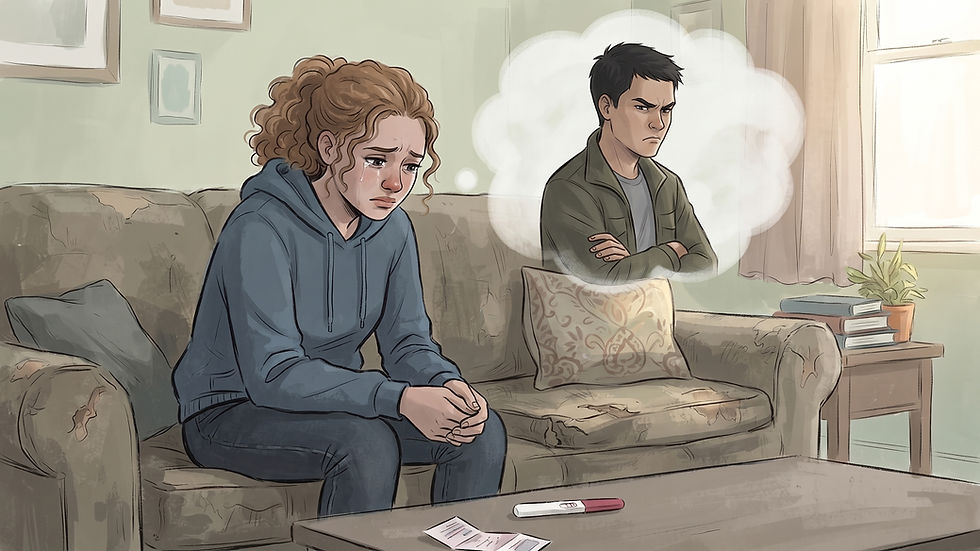
When facing a significant decision, it can sometimes be difficult to separate your own thoughts from the expectations of others. Family members, partners or friends may have strong opinions, even when they genuinely want what they believe is best for you.
Take a moment to ask yourself:
| Am I making this decision because it feels right for me? |
| Do I feel pressured to choose a particular option? |
| Am I afraid of disappointing someone? |
| Would my thoughts be different if other people's opinions were not influencing me? |
Pressure can take many forms. It is not always obvious or intentional.
Some women may feel pressure from:
| A partner who strongly favours one outcome |
| Parents or family members with different values or expectations |
| Friends whose experiences influence their opinions |
| Financial concerns that make one option seem like the only possibility |
| Social or cultural expectations about pregnancy and parenthood |
These influences can make an already emotional situation feel even more complicated.
While listening to trusted people can be helpful, the decision should ultimately be based on accurate information and careful reflection rather than fear, guilt or coercion. Feeling supported is different from feeling pressured.
If you are finding it difficult to separate your own thoughts from other people's expectations, speaking with someone who is neutral can help. Having a confidential conversation allows you to explore your concerns without being directed towards a particular choice.
Giving yourself permission to pause and reflect does not mean you are avoiding the decision. It means you are taking the time to make an informed choice that aligns with your own circumstances and values.
Question 5 — Who Can Help Me Make an Informed Decision?
You do not have to answer every question on your own. Reaching out for guidance can help you better understand your situation without taking away your ability to make your own decision.
Depending on your needs, support may come from:
A healthcare professional who can explain medical information
A trusted family member or friend who listens without judgement
A counsellor who provides a confidential space to talk
Community organisations that offer information and practical support
If you are wondering what to do if you are pregnant, start by seeking accurate information rather than feeling pressured to make an immediate decision. Understanding your options can make the situation feel more manageable and help you approach the next steps with greater confidence.
Some women also benefit from speaking with a trained counsellor who can help them organise their thoughts, explore their concerns and consider what matters most to them.
For women seeking pregnancy counselling in Singapore, the goal is not to tell you what decision to make. Instead, counselling provides a safe, confidential and non-directive space where you can ask questions, express your feelings and explore your options at your own pace.
A counsellor may help you:
 | Understand your thoughts and emotions |
| Explore the practical considerations of each option |
| Identify the support available to you |
| Clarify what feels most aligned with your values and circumstances |
Having someone listen without judgement can reduce the emotional burden of trying to work through everything on your own.
Sometimes the most helpful conversation is not the one that provides answers immediately, but the one that gives you the space to think clearly and make decisions with greater confidence.
Take Time to Consider What Feels Right
Making a pregnancy decision can feel overwhelming, especially when emotions, relationships and plans all seem uncertain. Giving yourself time to reflect does not mean you are avoiding a decision. It means you are allowing yourself the space to make an informed choice that feels right for your circumstances.
Talking with someone who listens without judgement can help you organise your thoughts, ask questions and better understand your pregnancy options in Singapore. Sometimes, having a safe space to talk is enough to bring greater clarity and confidence about your next steps.
At aLife, women are supported through confidential conversations that focus on understanding their unique situation rather than directing them towards a particular outcome. Through programmes such as SUPeRF (Support for Unplanned Pregnancies – Resource Facilitation), women can explore their options, receive reliable information and access emotional and practical support at a pace that feels comfortable.
Whether you already know what you are leaning towards or are still trying to understand how you feel, you do not have to work through everything alone. Taking the time to talk with someone can be a meaningful step towards deciding with greater confidence and peace of mind.

Trust Yourself Through the Journey
There is no perfect timeline, and no single decision is right for every woman. What matters is making a choice that is informed, thoughtful and aligned with your own circumstances, values and needs.
If you are feeling uncertain, remember that you do not have to navigate this process alone. Reaching out for support can provide a safe space to ask questions, explore your thoughts and gain the clarity you need without pressure or judgement.
As you move forward, trust that taking the time to understand your feelings and seek reliable support is an important part of making the decision that is right for you.


Comments