


Signs & Symptoms of Pregnancy: What To Know
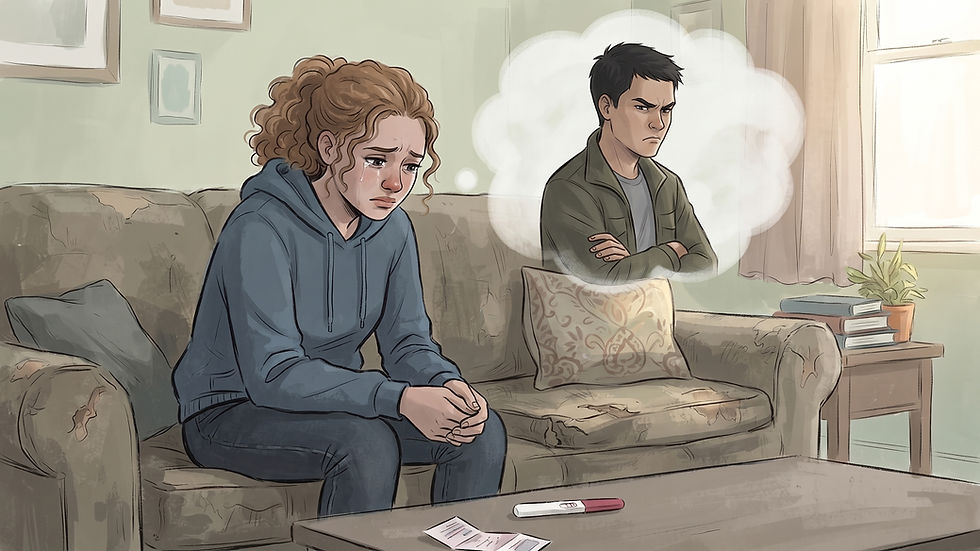
Wondering whether you are pregnant can feel overwhelming, bringing emotions like curiosity, worry, or uncertainty. Because every pregnancy is unique, early symptoms can vary from person to person. This guide will help you recognize common early signs, understand what to watch for, and know where to turn to for support.

Early Signs of Pregnancy
Early pregnancy can cause a variety of symptoms, such as:
Late / missed period - Often the first noticeable sign of pregnancy.
After fertilization, the body starts producing the hormone hCG (human chorionic gonadotropin), which helps the pregnancy grow. The hormone also temporarily stops ovulation, leading to a missed period.
Fatigue / unusual tiredness - You feel more exhausted than usual.
During pregnancy, the body produces higher levels of progesterone to support the growing fetus. This hormone can slow metabolism, causing the body to use more energy for digestion, leaving pregnant women feeling unusually tired. However, fatigue during pregnancy can also be associated with iron deficiency anemia and spotting.
Nausea / vomiting - A common early sign of pregnancy,
Also termed "morning sickness", it usually starts between the 4th and 6th week of pregnancy, and eases by around week 12. It often includes nausea, vomiting, and loss of appetite, and may also be accompanied by headaches or dizziness. While symptoms are commonly felt in the morning, some may experience them throughout the day.
Breast changes - Tenderness, swelling, or darkening of the nipples.
Breast changes can begin shortly after fertilization. These changes may feel similar to premenstrual symptoms, such as sense of fullness, sensitivity, or tingling. As the pregnancy progresses, the breasts may enlarge, causing bras to feel tighter. The areola (the darker skin around the nipples) may also darken.
Increased urination - Needing to go more often than usual.
During pregnancy, the body produces extra blood and fluid to support the developing fetus. This causes the kidneys to work harder to filter waste, leading to more frequent urination. Urine may also appear darker than usual. As the pregnancy progresses and the uterus grows, it can press against the bladder, increasing the need to urinate, especially at night.
Mild cramping / spotting - Light implantation bleeding may occur for some people.
After fertilization, the embryo implants in the uterine wall. In some cases, this implantation can cause light spotting or vaginal bleeding, usually without significant pain or cramping. Many people do not experience implantation spotting, and this is completely normal.
Heightened sense of smell / taste changes - Food or smells may seem stronger or different.
Due to hormonal changes, pregnant women become more sensitive to smells, and their sense of taste may also change. Certain odours that were previously unnoticeable can suddenly feel overwhelming, even without nausea or other symptoms.
Food aversions / cravings - A sudden dislike or strong desire for certain foods.
Pregnant women may notice changes in their appetite, such as strong cravings for certain foods or a sudden dislike of foods they previously enjoyed.
Less Common / Later Symptoms
As the pregnancy progresses, you may notice additional symptoms, including:
Mood swings / heightened emotions - Feeling more sensitive or emotional than usual.
Dizziness / lightheadedness - Feeling faint / unsteady at times.
Headaches - Can occur more frequently due to hormonal changes.
Bloating / constipation - Digestive changes are common as pregnancy continues.
Skin changes - Acne or darkening of certain areas, due to hormonal changes.
Changes in vaginal discharge - Increased in vaginal discharge that is colourless, odourless, and a cloudy white mucus, is normal.
Remember, every pregnancy is unique. Experiencing some, all, or none of these symptoms is completely normal. If you have any concerns, it is always best to consult a healthcare professional.
What To Do If You Think You Might Be Pregnant
Feeling uncertain or anxious is completely normal. Here are some steps you can take:
Take a moment for yourself - Breathe deeply and give yourself time to process your thoughts,
Reach out to someone you trust - A friend, family member, or a support person that can offer understanding and comfort.
Seek professional guidance - Contact a healthcare provider (eg. polyclinic, clinic) or pregnancy support center for advice, resources, and options.
You don't have to navigate this alone. Confidential, non-judgemental support is available to help you make informed choices and care for your wellbeing.
Pregnancy is a deeply personal and sometimes overwhelming experience. Whether your pregnancy is planned or unplanned, you deserve accurate information, compassionate care, and emotional support.
If you're unsure about your symptoms or simply need someone to talk to, we are here for you. aLife provides confidential support, resources, and guidance to help you navigate this time with care and understanding.
You are not alone, help is available. Reach out today at 9183 4483!


Comments