
an IPC charity


Surgical Abortions
Can be done as a day surgery procedure under anaesthesia.
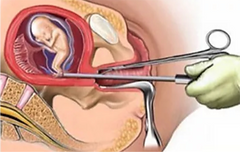
The surgical abortion may use a combination of vacuum aspiration, dilation and curettage (D&C) and forceps to completely remove the foetus from the woman's uterus.
Some women will have to undergo surgical abortions if the medical abortion fails.


Caution: The following section contains images and information that may be disturbing, so discretion is advised.
1. Priming of Cervix
Medication will be given to soften the cervix at least a day before the abortion surgical procedure.
The first stage is to open up the cervix by gradually stretching it with dilators (which are steel rods of increasing thickness).
2. Vacuum Suction
A sterile suction tube "cannula" is then inserted into the womb cavity. The other end of the tube is attached to a pump to suction out the foetus and other pregnancy tissues till the womb is emptied.
3. Forceps
Sometimes a pair of forceps may be used to remove larger pieces of tissues that cannot pass through the opening of the suction tube.
4. Scraping
The uterine lining of the womb may also be scraped with a curette to completely remove the pregnancy tissues.
It is important that none is left inside the womb that could cause infection. Ultrasound imaging can check for completeness of the evacuation.



Risks and Complications
All abortions, whether by surgical or medical method carry risks:

Before you go to an abortion clinic, ask yourself these questions:
Do I understand the risks involved in the abortion procedure?
What are the qualifications of the abortion provider?
How are complications handled?
Is it ok to change my mind?
Note: aLife provides resource facilitation and accurate information on all pregnancy options. We do not provide or refer for abortion services, but we are committed to offering clear, trustworthy information. Website content is for general education only and not a substitute for professional or medical advice.

After Abortion Support
If you have had an abortion—or know someone who has—you may notice emotional or physical changes and wonder where they come from. You may experience sadness, loneliness, anger, guilt, or even a loss of interest in daily life after an abortion. Research shows that some women experience mood difficulties after an abortion (Gebeyehu et al., 2023).
Many women, whatever they are feeling, find it healing to talk about their experience.
Support from a trained professional, a trusted family member, or a close friend can make a difference, even though shame or fear of judgment may make sharing feel hard.
Even if you haven’t told your parents, friends, or partner, you don’t have to carry this alone. Support is available, and you need not carry it alone.
Need Someone to Talk to?
Contact aLife for reliable information and personalised care that meet your needs.
Or leave a message here!